
10 Crochet Bolero Ideas for Light Layering and Different Sleeve Shapes
Crochet boleros are useful when a full cardigan feels too long or heavy. This collection focuses on short layering pieces with different sleeve shapes, openings, textures, and fit styles, so readers can compare more than one kind of bolero before choosing a tutorial.
Some options are open and airy, while others look more like cropped jackets or dress toppers. There are mesh sleeves, cuffed shapes, circular construction, color-block styling, adult fit ideas, and a smaller girls’ bolero. The variety helps readers think about coverage, movement, neckline shape, and how the finished piece may work over dresses, tanks, or fitted tops.
Quick List
- Crochet Open Mesh Layering Bolero
- Crochet Filet Mesh Bolero with Clean Edging
- Crochet Multi-Color Short Bolero Shrug
- Crochet Fishnet Sleeve Bolero
- Crochet Cuffed Sleeve Bolero Shrug
- Crochet Minimal Made-to-Measure Bolero
- Crochet Soft Bolero Jacket
- Crochet Adjustable Women’s Bolero
- Crochet Circular Bolero Jacket
- Crochet Girls’ Short Bolero Jacket
Why These Crochet Bolero Projects Are Worth Making
A crochet bolero can change the coverage of an outfit without hiding the whole base layer. The cropped shape keeps the front, waistline, or dress detail visible, while the sleeves and upper back add extra texture and styling. That makes boleros useful for sleeveless dresses, simple tanks, fitted tops, and outfits that need more shoulder coverage.
These projects are also worth comparing because small design differences matter. Mesh spacing affects coverage, cuffs change the sleeve finish, circular shapes sit differently from rectangular shrugs, and child-size boleros need a different fit approach from adult layering pieces. Looking at several finished styles helps readers choose by shape first, not just by color.
1. Crochet Open Mesh Layering Bolero
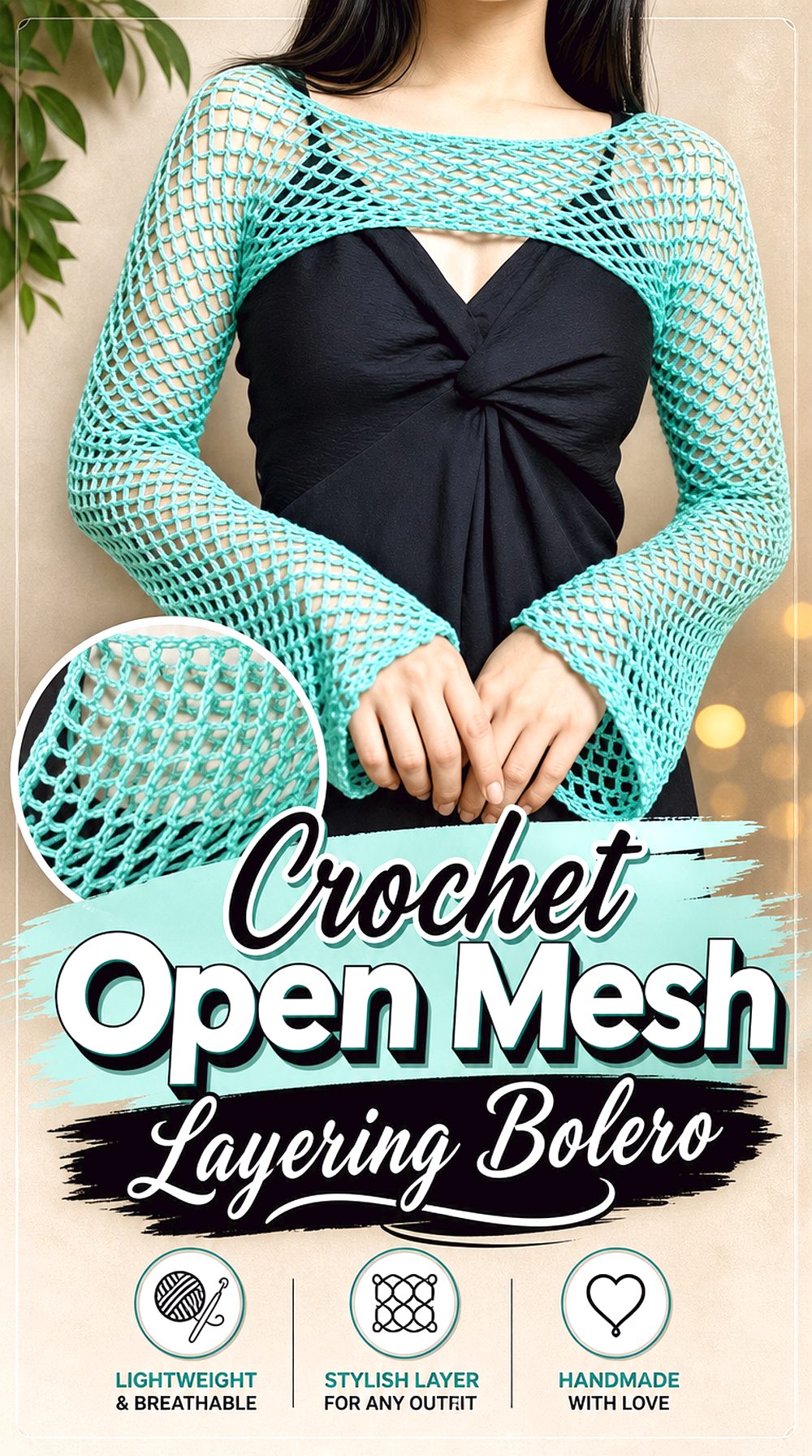
A light mesh bolero works well when the main goal is shoulder and sleeve coverage without a heavy-looking garment. The open fabric keeps the finished piece visually airy, and the cropped length makes it different from a longer cardigan or pullover. This style may suit readers who want a layering piece that still leaves the outfit underneath visible.
The sleeve shape and front opening are the main points to notice. Because the fabric is open, readers should think about what they plan to wear underneath before choosing this kind of bolero.
Think About Coverage
Open mesh gives a lighter look, but it does not cover in the same way as a dense crochet jacket. That can be useful over a fitted tank, dress, or simple base layer, especially when the outfit underneath is meant to stay visible. Readers who want more modest coverage should compare the spacing in the finished sample before committing.
Review the Sleeve Shape
The sleeves are a key part of this bolero because they create most of the visible garment. A reader should look at how the sleeve sits around the arm, whether the wrist area is loose or closer, and whether the upper arm has enough ease for comfortable movement. These checks matter more than color when choosing a wearable bolero.
Confirm the Material List
Mesh garments can change noticeably with different yarn types, so the supply list should be checked before buying materials. The creator lists lightweight yarn options and a small hook size in the video description, but readers should still follow the original tutorial’s exact guidance instead of guessing substitutions from the finished look alone.
Original Tutorial and Creator Credit
Creator: The Crochet Channel
2. Crochet Filet Mesh Bolero with Clean Edging
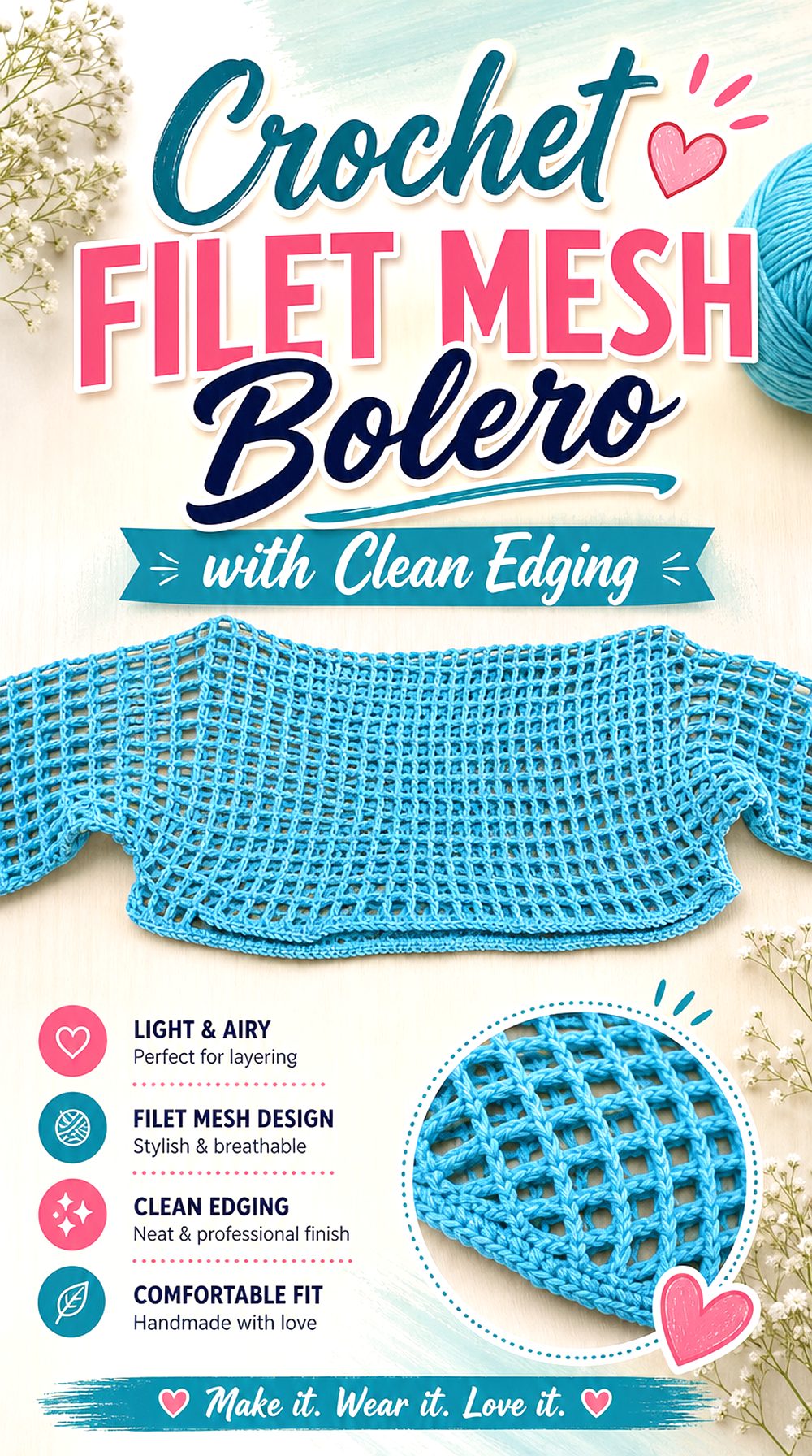
This filet-style mesh bolero has a more structured grid look than a loose fishnet sleeve piece. The tutorial description points to an adaptable design with a neckline opening, sleeves, and finishing around the edge, which gives readers a clear bolero shape to evaluate. It is a good option for someone who wants an airy garment but still likes a neat border.
The finished style stands apart from the first mesh bolero because the edging and planned neckline help define the garment. It may work well over simple clothes where the bolero outline should be easy to see.
Look at the Neckline Shape
A bolero neckline changes how the piece frames the front of an outfit. With this project, the neckline opening is an important feature because it helps separate the garment from a simple sleeve shrug. Readers should check how high or open the neckline appears and decide whether that shape matches the tops or dresses they plan to layer under it.
Check the Edge Finish
The clean edging gives the bolero a more finished outline. This matters on a mesh garment because open stitch areas can look unfinished if the border is not handled carefully. Before choosing this project, readers may want to watch the final view closely and decide whether they like the contrast between the airy body and the more defined edge.
Compare the Fit From Each Angle
Because the design is described as adaptable, readers should pay attention to how the finished bolero sits across the back, underarm, and sleeve area. A front-only view is not enough for a wearable. Comparing each angle helps avoid choosing a garment that looks right from one side but feels too open, short, or tight elsewhere.
Original Tutorial and Creator Credit
Creator: Alextitia Tuto Crochet
3. Crochet Multi Color Short Bolero Shrug
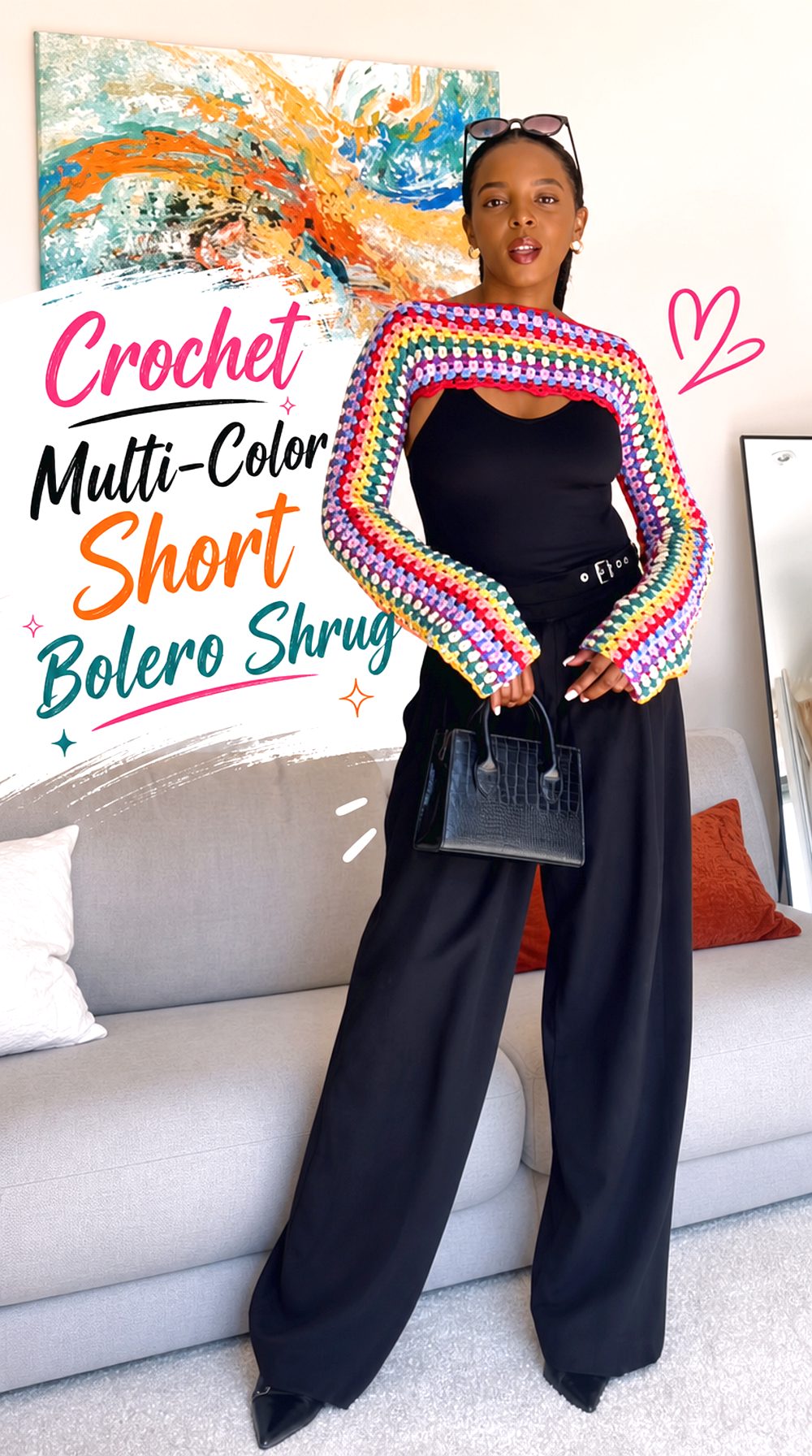
A multi-color bolero shrug brings the focus to surface color and short layering shape. The creator’s listed materials include several colors, so this option is useful for readers who want a bolero that feels more playful than a plain solid garment. The short shrug format keeps the overall shape compact while allowing the colors to carry the design.
This idea is different from the mesh projects because the visual interest comes from color placement instead of open spacing. It may suit outfits that need a small, bright top layer rather than a quiet neutral cover.
Plan the Color Placement
When a bolero uses multiple colors, the order can change the whole finished look. Readers should think about whether they want the brightest color near the face, at the sleeve ends, or spread evenly through the body. The original tutorial should be followed for exact construction, but planning the color mood ahead of time can prevent a scattered result.
Check the Garment Length
Short boleros can sit very differently depending on body length and the outfit underneath. A reader planning to wear this over a dress may want a different crop point than someone layering it over high-waisted jeans. It is worth comparing the finished sample with a favorite garment before deciding whether the short shape gives enough coverage.
Keep a Simple Progress Note
Color changes can make it easier to lose track of where the project is, especially if several shades are used. A simple note of the current section, color order, and stopping point can help readers return to the project without confusion. This is preparation guidance only; the exact counts and order belong in the original source.
Original Tutorial and Creator Credit
Creator: AC Crochets
4. Crochet Fishnet Sleeve Bolero
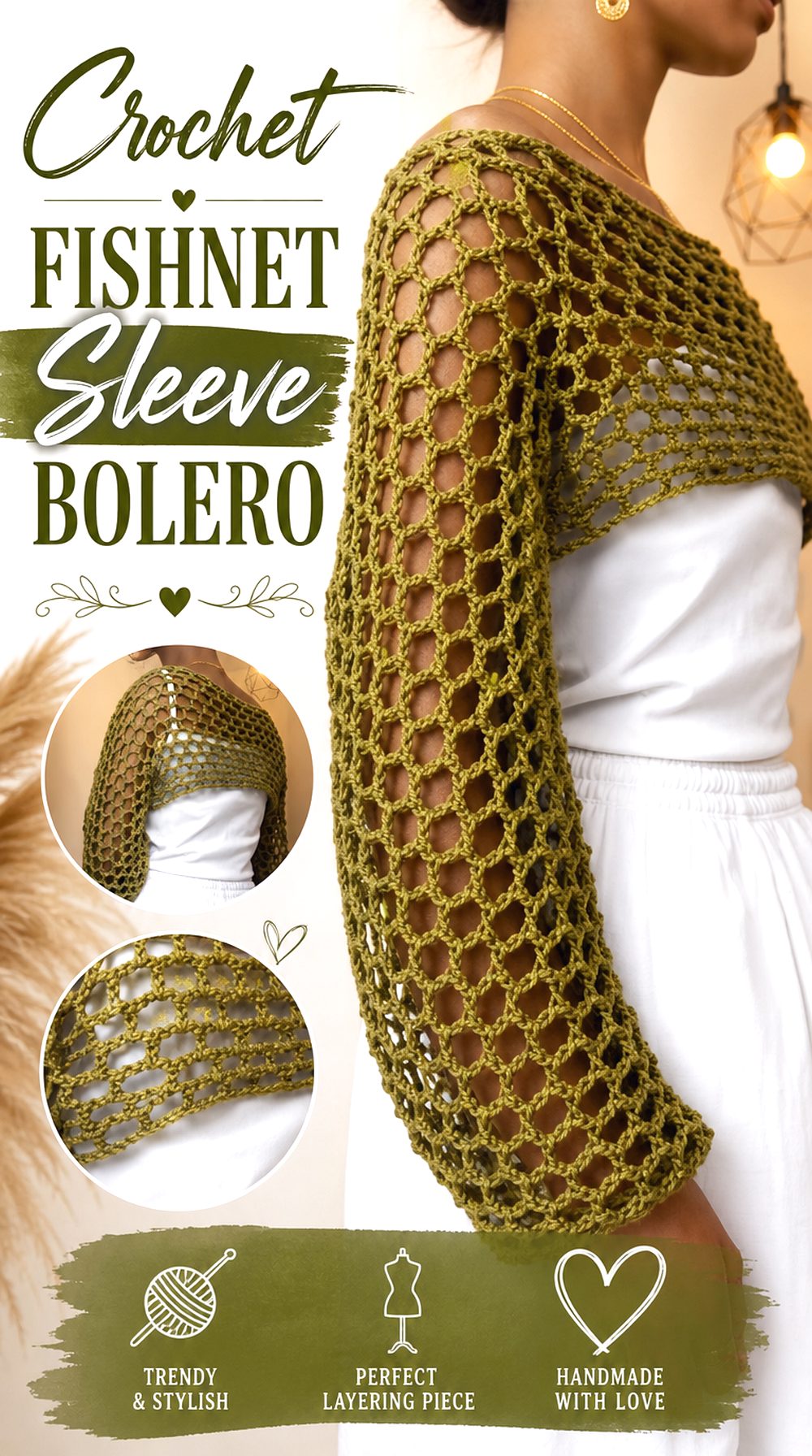
The fishnet sleeve bolero is the most open and sleeve-focused option in this list. It has a bold mesh look that works more like an arm-and-shoulder layer than a traditional jacket. This makes it useful for readers who want a visible crochet texture without covering much of the front outfit.
The main appeal is the fishnet effect, but that same openness means readers should think carefully about base layers. It may suit casual styling, festival-inspired outfits, or warm-weather layering when the goal is texture more than warmth.
Plan What to Wear Underneath
Fishnet crochet leaves the base layer fully visible, so the outfit underneath becomes part of the finished look. A plain fitted top, camisole, or dress can change the effect of the bolero. Readers who want the sleeves to stand out should think about contrast, while those who want a softer result may prefer a closer color match.
Watch the Armhole Fit
Sleeve-focused boleros need enough room around the shoulder and upper arm. If the armhole area is too tight, the garment may pull when the wearer moves. If it is too loose, the sleeve may not sit as intended. Readers should compare the finished fit carefully and use the creator’s measurement guidance rather than guessing from appearance.
One Limitation to Consider
A fishnet bolero is not meant to behave like a solid cardigan. It will not give much coverage, and small accessories can catch on open spaces if handled roughly. That does not make it less useful, but readers should choose it for visible texture and layering style rather than for warmth, privacy, or a structured jacket shape.
Original Tutorial and Creator Credit
Creator: Anna .Jisalo
5. Crochet Cuffed Sleeve Bolero Shrug
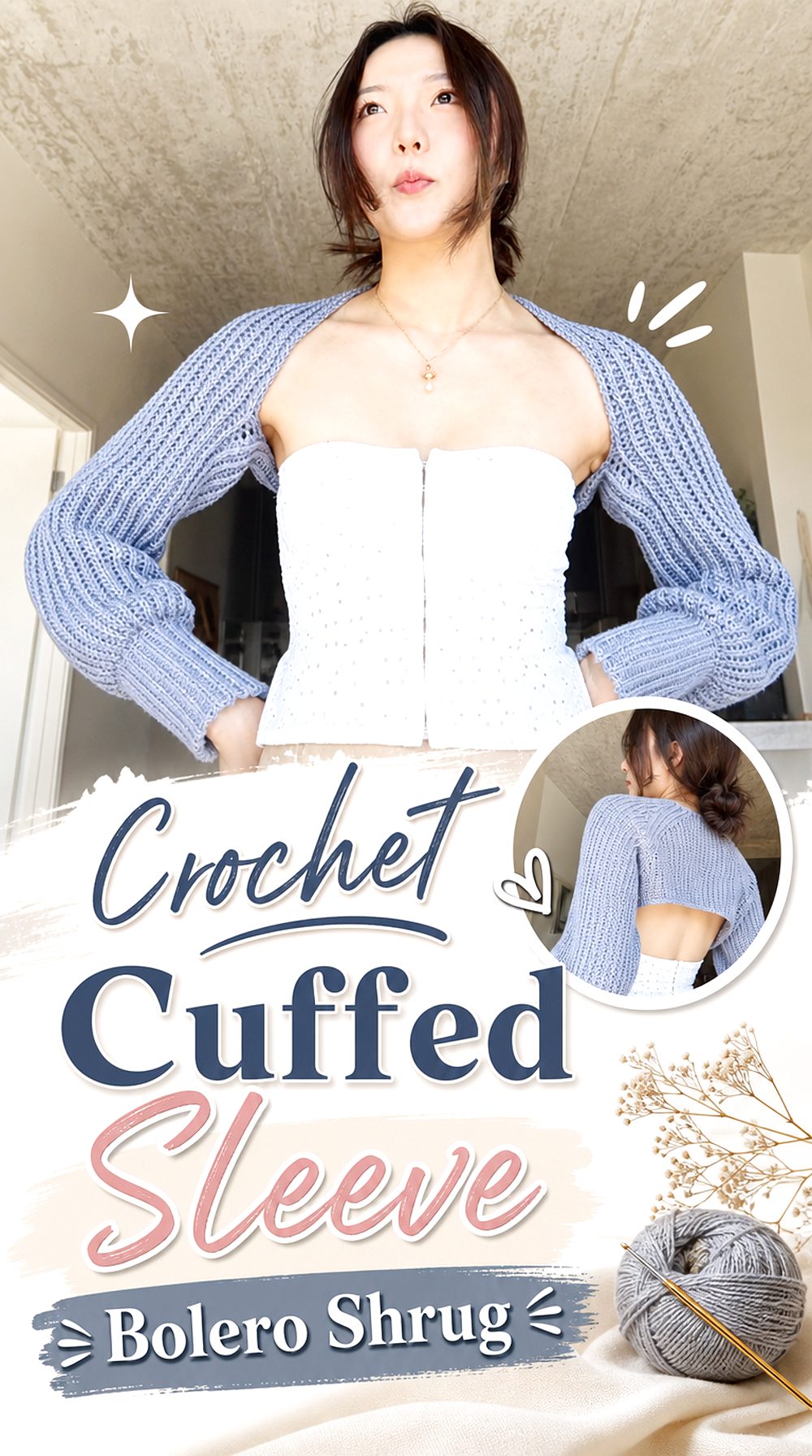
A cuffed sleeve bolero has a more finished wrist area than a loose open sleeve shrug. The shape still stays cropped and casual, but the cuff detail helps define where the sleeve ends. That makes this project useful for readers who like the idea of a bolero but want the arms to look a little more controlled.
This option differs from the fishnet bolero because the sleeve finish is a stronger visual feature. It may work well when the wearer wants a relaxed shoulder layer with a cleaner ending at the wrist.
Review the Cuff Finish
Cuffs affect both the look and the way a sleeve sits. A more defined cuff can make a soft bolero feel neater, especially when worn over a fitted top. Readers should look at the cuff width, how close it appears at the wrist, and whether the finished sleeve shape matches the amount of looseness they prefer.
Use the Measurement Sections Carefully
This tutorial includes measurement and calculation sections, which are important for a wearable shrug. Readers should treat those parts as part of the project, not as optional background. Taking time with measurements can help the finished bolero sit better across the back and sleeves, especially when the garment is meant to fit the maker’s body.
Recheck Before Moving Ahead
Wearable projects can be harder to adjust once joining or sleeve shaping is complete. A useful habit is to pause at major shape changes and compare the piece with the intended fit. This does not replace the tutorial’s instructions, but it helps readers catch a size or length concern before too much finishing work has been added.
Original Tutorial and Creator Credit
Creator: yaejiyea
6. Crochet Minimal Made to Measure Bolero
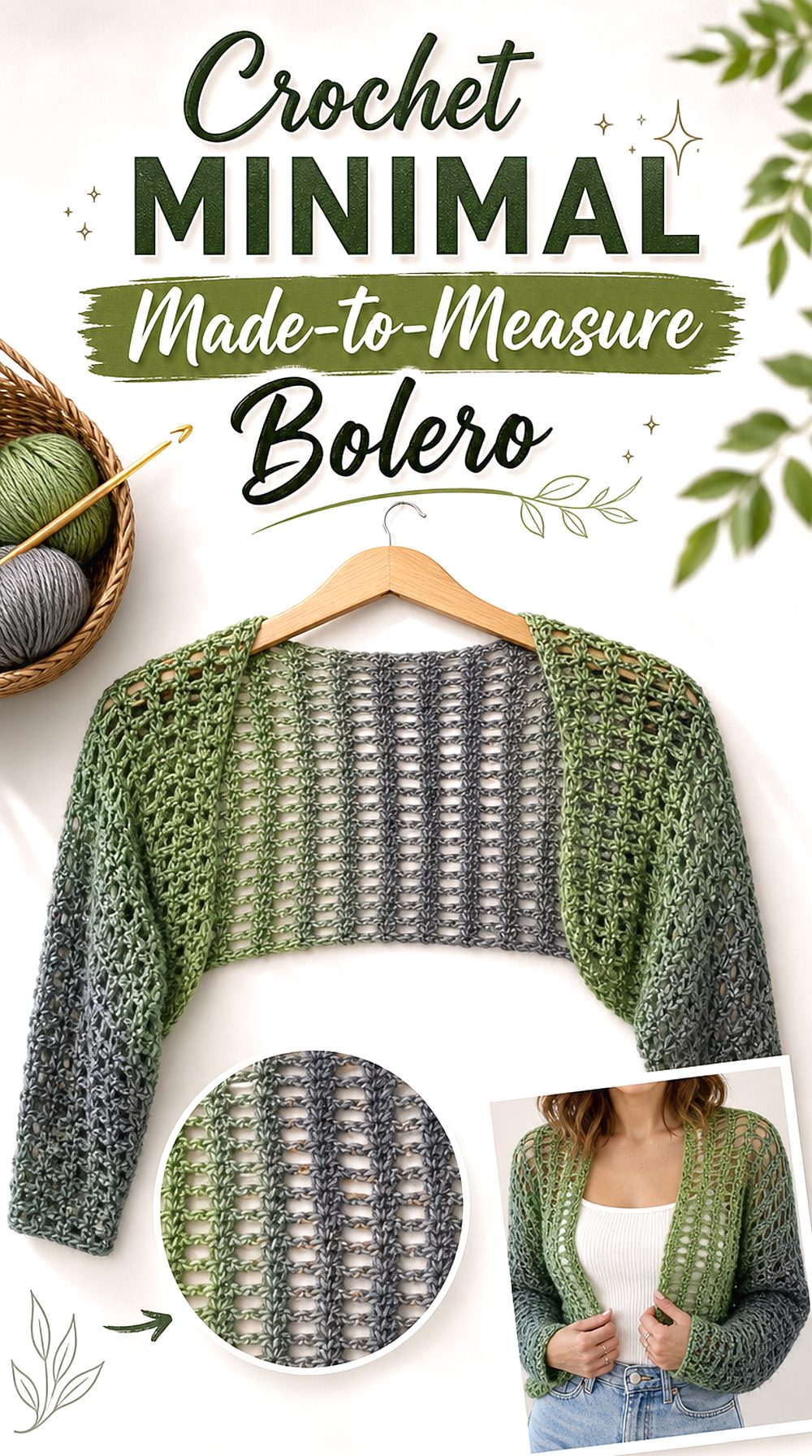
A minimal made-to-measure bolero is a practical choice for readers who prefer a simple short shrug shape. The finished look is less about dramatic texture and more about a wearable outline that can sit over many base pieces. Because the creator describes the project as made-to-measure, the fit planning becomes one of the most important parts.
This bolero is different from the colorful and fishnet options because it gives a quieter, more adaptable appearance. It may suit readers who want one cropped layer to use with several outfits.
Confirm the Fit Information
Made-to-measure does not mean the measuring stage should be rushed. Readers should check which body measurements are used, how the sample is compared, and whether the finished piece is meant to be close or relaxed. A bolero that is too narrow across the back may feel restrictive, while too much width can change the cropped shape.
Consider Everyday Layering
A minimal bolero can be useful when the goal is light coverage without a strong statement. It may sit well over plain tops, simple dresses, or sleeveless outfits where the base garment should remain visible. Readers should think about the colors they wear most often and choose a version that will not compete with every outfit.
Watch the Sewing Section Closely
The source includes a sewing section, so finishing should be treated as a key part of the garment. Joining can affect sleeve comfort, shoulder placement, and the opening shape. Readers should slow down during that part of the tutorial and check orientation before securing seams, rather than assuming the flat piece will automatically sit correctly.
Original Tutorial and Creator Credit
Creator: Cherilyn Q
7. Crochet Soft Bolero Jacket
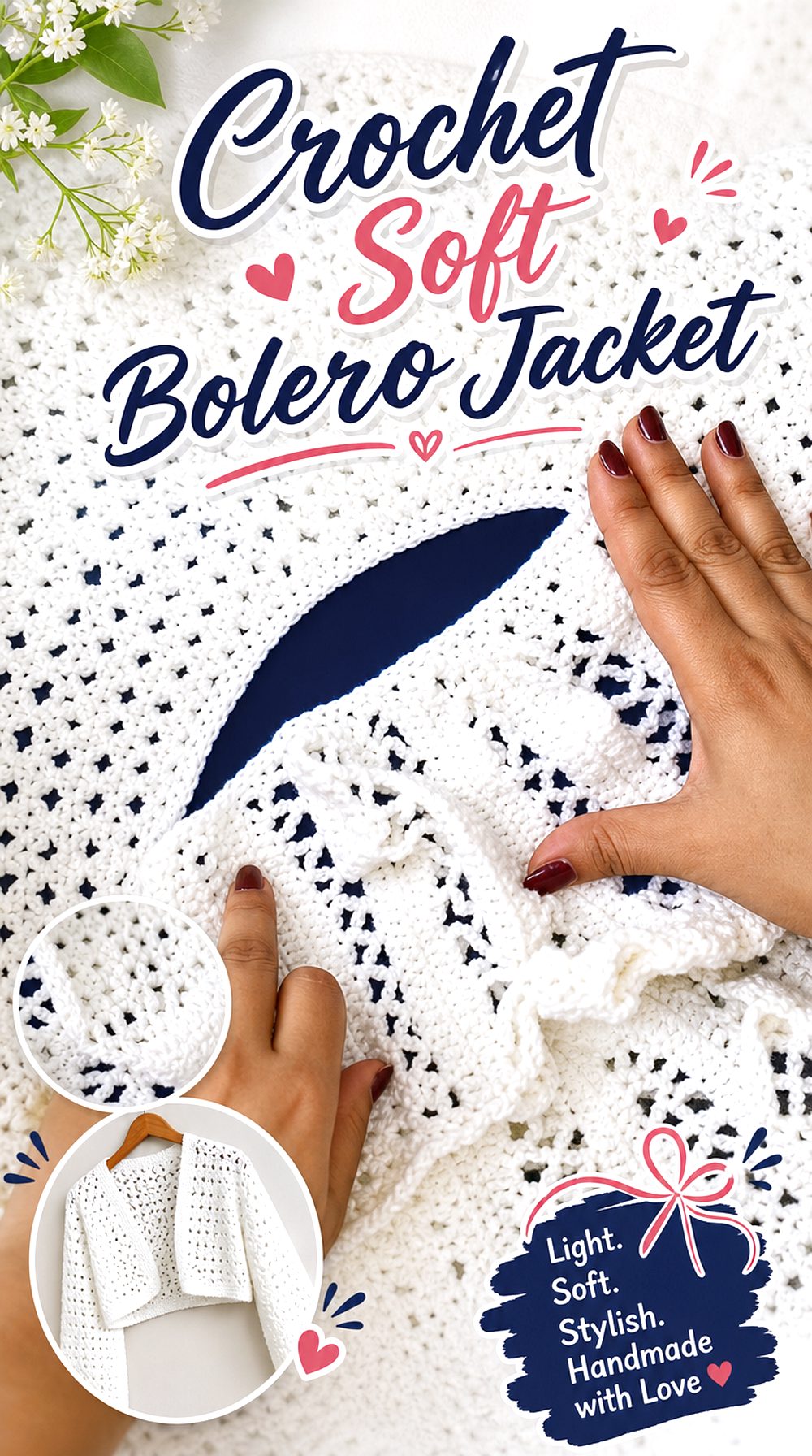
This bolero jacket has a more garment-like feel than a sleeve-only shrug. The title identifies it as both a shrug and a bolero jacket, making it a useful option for readers who want the short bolero length but with a jacket-style impression. It may be a better match for outfits that need a visible top layer rather than just arm coverage.
The finished result should be judged by front shape, shoulder coverage, and how much of the torso it frames. Readers looking for a softer cropped jacket may find this style more suitable than the mesh-heavy choices.
Think About the Jacket Shape
A bolero jacket should still feel cropped, but it usually has more presence than a plain sleeve shrug. Readers should look at the front opening, the shoulder area, and the way the garment frames the upper body. This helps decide whether the finished item will work over dresses, fitted tops, or more casual base layers.
Check the Front Opening
The front opening affects both styling and comfort. A wide opening can show more of the outfit underneath, while a closer front may feel more like a jacket. If the tutorial does not clearly state every finished measurement, readers should study the final view and decide whether the opening shape matches how they plan to wear it.
Prepare for the Finishing Stage
Bolero jackets often rely on finishing details to look neat when worn. Edges, sleeve ends, and joined areas can change the final impression. Readers should keep enough time for the final stages and avoid judging the project too early, because a cropped jacket may look incomplete until the last shaping and edging details are finished.
Original Tutorial and Creator Credit
Creator: Smart knitting
8. Crochet Adjustable Women’s Bolero

This women’s bolero is a step-by-step option with sizing flexibility mentioned in the video description. It is useful for readers who want a more classic bolero idea rather than a fashion mesh sleeve piece. The design can be considered when the goal is a short garment that covers the shoulders and upper arms while keeping the main outfit visible.
This project differs from the made-to-measure shrug because it is presented specifically as a bolero for women, with size adjustment noted by the creator. Fit checking should be the main decision point.
Review the Size Range
The creator states that the project can be made in baby and adult sizes, so readers should pay attention to how the sizing information is handled. A bolero needs to match shoulder width, arm comfort, and preferred length. Before starting, it is wise to confirm which size details are clearly explained and what measurements the reader must supply.
Compare the Length With Your Outfit
Women’s boleros can look very different over a dress, a tank, or a high-waisted bottom. A short length may be useful when the waistline should remain visible, while a slightly longer shape may feel more comfortable for daily layering. Readers should compare the intended length with the garment they are most likely to wear underneath.
A Detail Worth Checking
Because this tutorial includes additional linked resources in the description, readers should check whether any important finishing detail, such as a tassel or extra trim, is covered separately. Extra details can change the look of the finished bolero, but they should only be followed from the creator’s own linked guidance, not guessed from a thumbnail or title.
Original Tutorial and Creator Credit
Creator: Akhi’s Creation
9. Crochet Circular Bolero Jacket
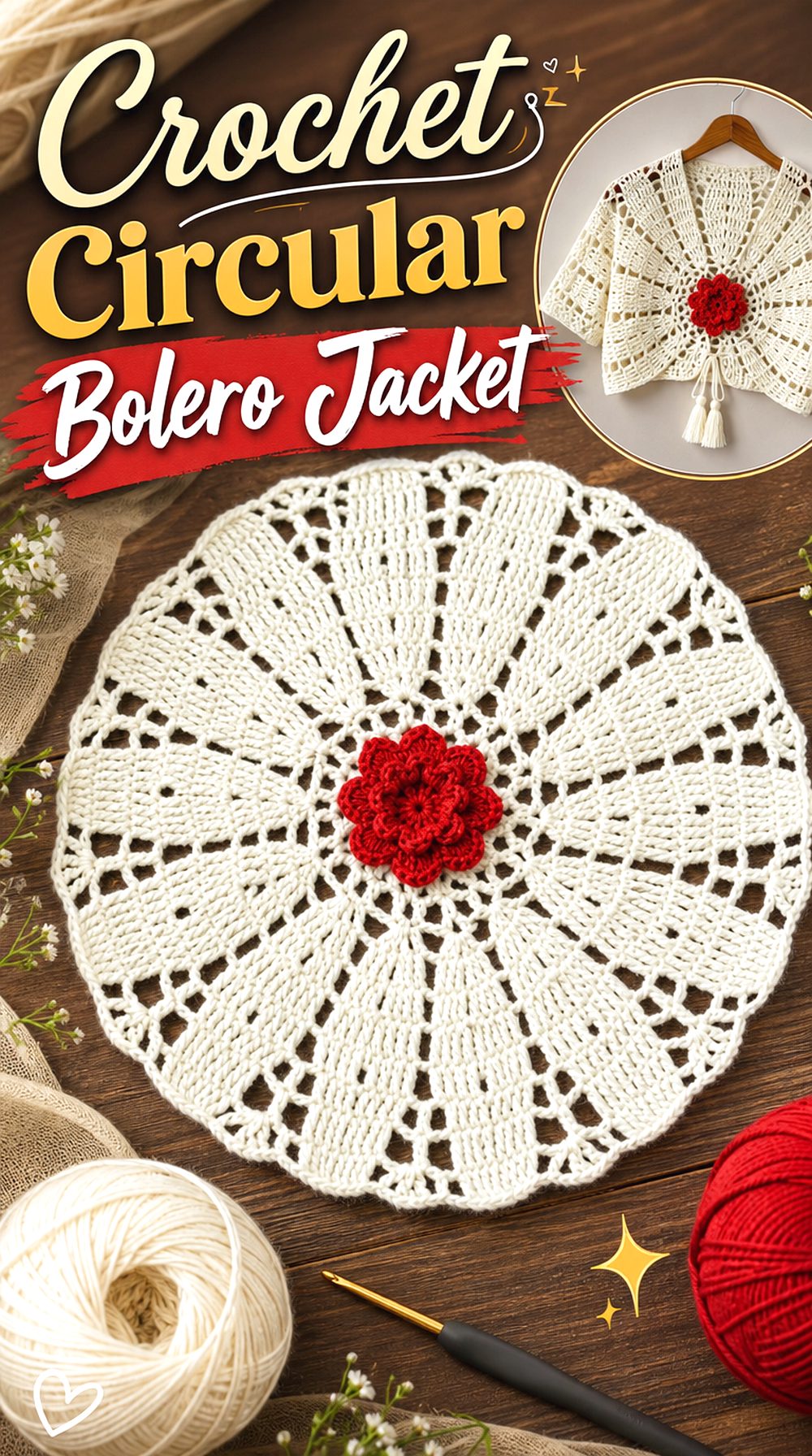
A circular bolero jacket gives the collection a different silhouette. Instead of reading like a basic rectangle shrug, the circle-jacket idea suggests a rounded shape that can drape around the back and shoulders. This makes it useful for readers who want a bolero with a more decorative outline and a less standard cardigan feel.
The circular format should be chosen for shape, not just novelty. Readers should look at how the round structure sits when worn and whether the curved edge works with the outfits they have in mind.
Consider the Rounded Silhouette
A circular bolero jacket can create a softer outline around the back and sides. That shape may look more decorative than a straight cropped jacket, especially over a plain base layer. Readers should decide whether they want that curved shape to be the main feature, because it will likely draw more attention than a simple sleeve shrug.
Check How It Sits on the Shoulders
The shoulder area is important in a circular bolero because the garment needs to balance around the body. If the piece shifts too much, the pretty shape may not feel practical. Readers should look for a clear worn view and consider whether the shoulder placement appears stable enough for the way they plan to use the jacket.
Follow the Parts in Order
This source is presented as part of a multi-part circle jacket tutorial, so readers should make sure they have access to the full sequence before starting. A circular garment may not make sense if only one section is followed. Checking the related parts first helps avoid beginning a project without the finishing or joining information needed later.
Original Tutorial and Creator Credit
Creator: Kuch bhi Seekho with Tanveer
10. Crochet Girls’ Short Bolero Jacket
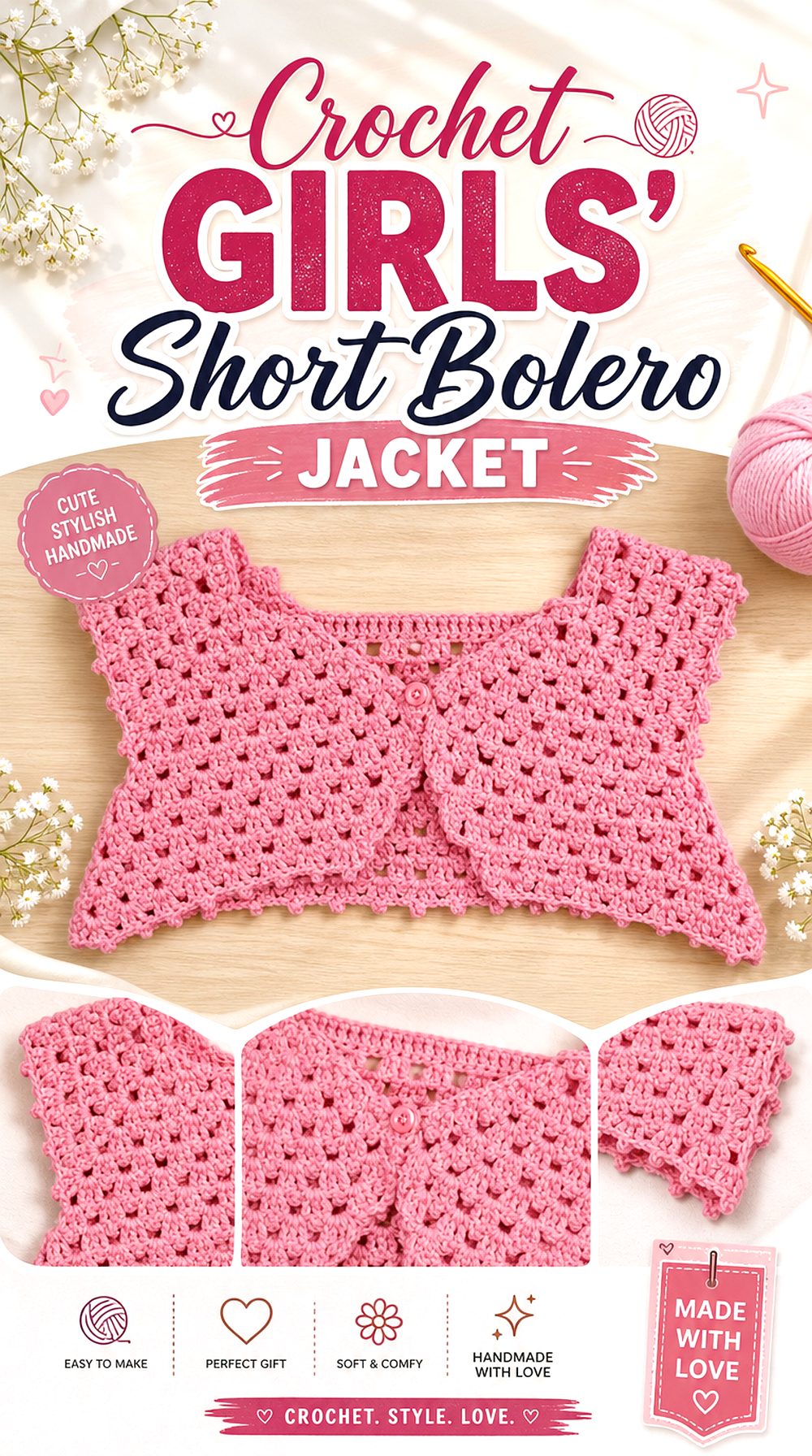
A girls’ short bolero jacket is useful as a dress topper or light shoulder layer for a child’s outfit. The source describes the project for ages 4 to 6, so this is the most specific fit option in the list. It gives readers a child-size bolero idea rather than another adult shrug variation.
This project is different because proportion matters more than styling alone. A child’s bolero should be checked for shoulder fit, sleeve length, and ease of movement before it is chosen for an occasion or outfit.
Check the Child Size Notes
The tutorial is aimed at girls aged 4 to 6, so readers should not assume it fits every child in that age range without checking measurements. Children vary in shoulder width, arm length, and preferred comfort. A good first step is to compare the creator’s size notes with the child’s actual garment measurements.
Think About Dress-Topper Use
A short girls’ bolero can work well over a sleeveless dress because it adds shoulder coverage without hiding the skirt or waist detail. Readers should consider the neckline and sleeve style of the dress before choosing colors or trim. The bolero should frame the outfit, not cover the parts that make the dress special.
Confirm Care Information
Children’s garments are handled and washed more often than occasional adult layers. If care instructions are not clearly stated in the tutorial, readers should keep the yarn label and follow fiber-specific care guidance. It is better to confirm washing needs before the bolero is worn regularly, especially for lighter colors or delicate trims.
Original Tutorial and Creator Credit
Creator: DIYmoda withEmíl
Conclusion
These crochet bolero ideas cover several useful directions: airy mesh layers, bold fishnet sleeves, cuffed shrugs, colorful short shapes, soft jacket styles, circular construction, and a child-size dress topper. For the lightest look, start with the mesh or fishnet options. For a cleaner everyday layer, compare the made-to-measure and jacket-style boleros. For a different outline, the circular version stands apart. Use the original tutorials for exact construction details, sizing, and finishing before beginning any project.
FAQs
How do I choose the right crochet bolero style?
Start with the amount of coverage you want. Mesh and fishnet boleros show more of the base outfit, while jacket-style boleros give a stronger garment shape. Then compare sleeve length, front opening, and crop point. A bolero worn over dresses may need a different shape than one worn over fitted tops.
Should a crochet bolero be fitted or loose?
That depends on the design and how it will be worn. A sleeve shrug may look better with relaxed arm room, while a short jacket may need a cleaner shoulder fit. Check the creator’s size notes, compare the finished view, and avoid assuming that a loose fit will automatically feel comfortable.
Can I use any yarn for a crochet bolero?
Do not change yarn without checking the tutorial guidance first. Yarn weight, fiber, and drape can affect sleeve shape, mesh spacing, and garment length. If the creator lists a specific yarn type or hook size, use that as the starting point and confirm whether substitutions are discussed.
Are mesh crochet boleros good for layering?
Mesh boleros can be useful for layering when the goal is texture and light shoulder coverage. They are not the same as solid cardigans because the base garment remains visible. Before choosing one, think about what you will wear underneath and whether the open spacing gives enough coverage for your outfit.
Can I sell crochet boleros made from YouTube tutorials?
Check each creator’s terms before selling finished items. Some creators allow sales, some limit commercial use, and some require specific credit or written permission. The safest approach is to read the video description, linked pattern terms, and any shop or website policy connected to the tutorial.


