10 Crochet Puzzle Sorting Bowl Ideas with Shape and Storage Guidance
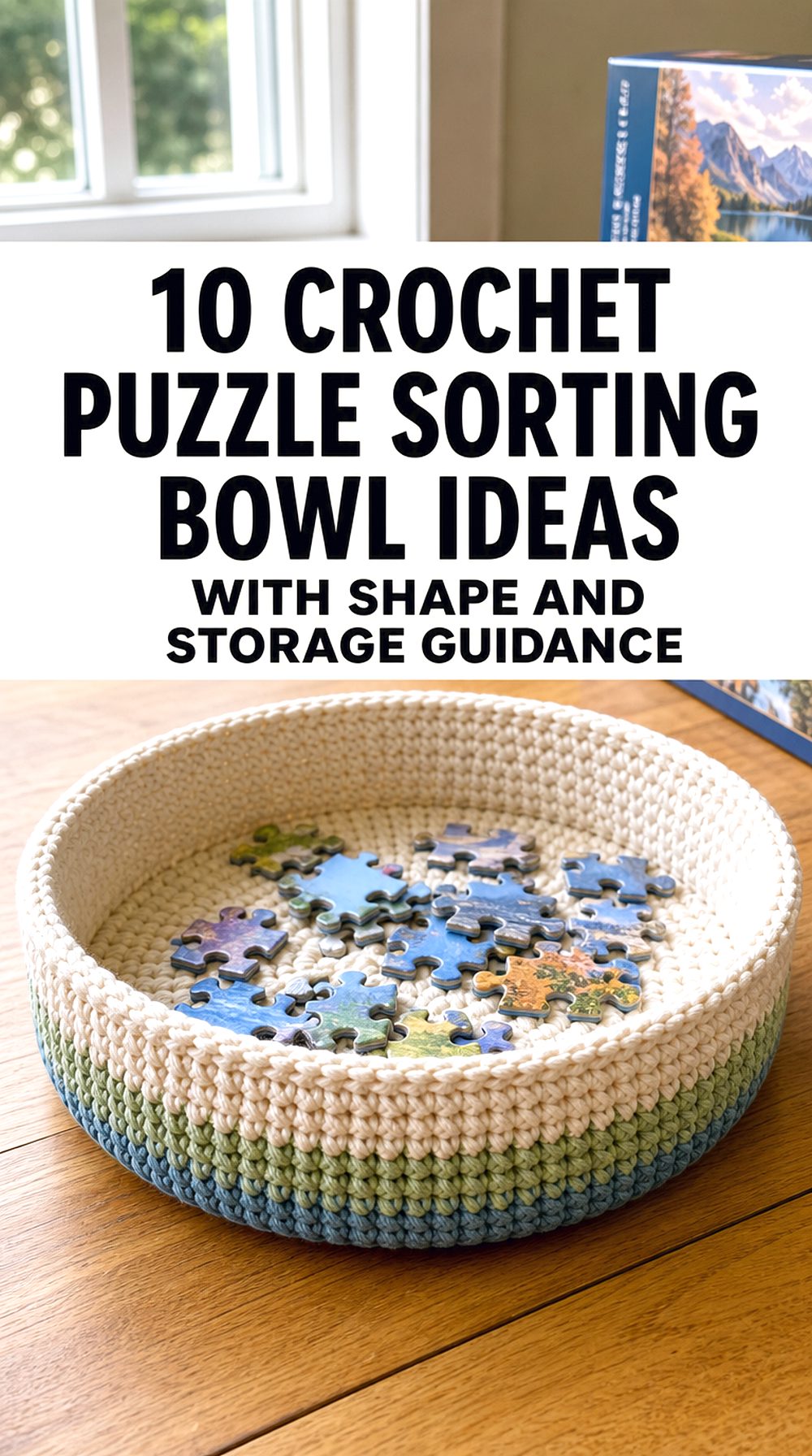
Puzzle sorting becomes easier when loose pieces have a clear place to go. These Crochet puzzle sorting bowl ideas explore round, square, oval, nested, and reinforced containers that can sit beside a work surface without taking over the table. Some designs are shallow enough for quick colour or edge-piece grouping, while others offer handles or nesting storage for packing pieces away between sessions. The guide also explains how yarn thickness, tight tension, side height, base shape, and colour coding affect everyday use. Crochet bowls remain soft and lightweight, but they need enough structure to stay open and keep pieces visible. Use the comparisons below to choose a design that matches your puzzle size, available space, and preferred way of sorting.
Quick List
- Crochet Cord-Nested Puzzle Sorting Bowls
- Crochet Two-Size Desk Sorting Bowls
- Crochet Graduated Little Puzzle Bowls
- Crochet Colour-Striped Stash Sorting Bowl
- Crochet Four-Size Mini Sorting Bowl Set
- Crochet Desktop Stacker Sorting Bowls
- Crochet Reinforced Square Puzzle Bowl
- Crochet Oval Handled Puzzle Sorting Bowl
- Crochet Waistcoat-Stitch Sorting Bowl
- Crochet Rope-Core Puzzle Sorting Bowl
How to Choose Crochet Puzzle Sorting Bowls for Visibility and Storage
Start with the opening. A wide, low Crochet puzzle sorting bowl makes colours and shapes easier to scan, while a taller basket holds more pieces but can hide those near the bottom. Next, check the base. Round bowls suit general colour groups, square corners can separate edge pieces visually, and oval containers fit neatly along the side of a rectangular puzzle board.
Structure matters because soft sides may fold inward when the bowl is moved. Tight stitches, doubled yarn, cord, rope, or a removable insert can help the container stay open. Keep handles small or use them only on bowls holding larger pieces, since narrow openings and decorative gaps may catch tabs.
Plan a simple colour system before crocheting. Neutral interiors make printed pieces easier to see, while different outer colours can identify sky, border, lettering, or character groups. Finally, consider storage and cleaning. Nesting bowls save cupboard space, but completed piece groups should be transferred carefully so they do not mix when the bowls are stacked.
1. Crochet Cord Nested Puzzle Sorting Bowls
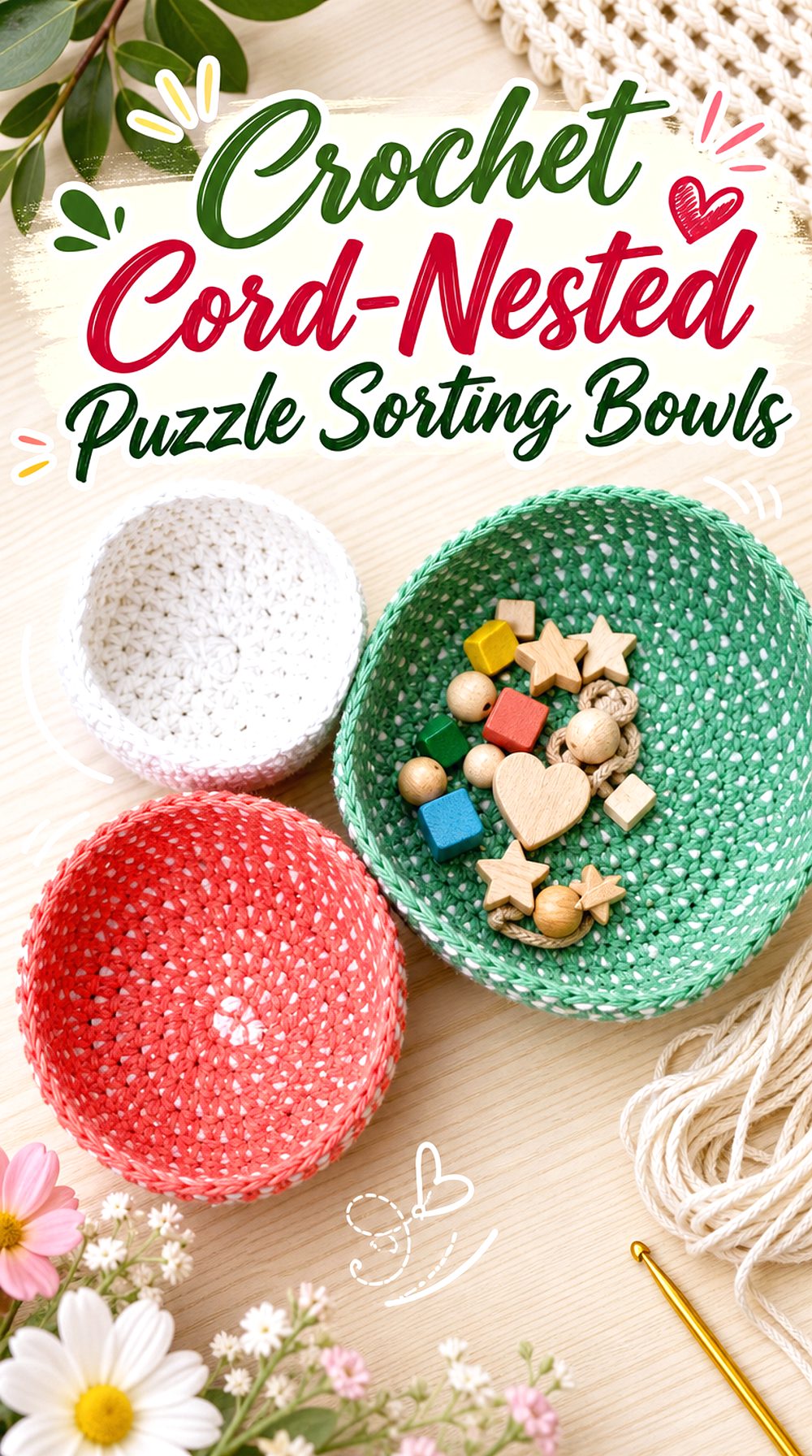
Design Details: This set uses cotton yarn worked over macramé cord, giving three round bowls a clearly defined base and firm-looking sides. The bowls share a low profile and graduate in width, so they can hold separate colour families without creating a row of bulky containers.
Best Use: The smallest bowl can collect unusual connectors or missing-piece candidates, while the wider bowls suit sky, foliage, or border groups. Their matching height keeps the sorting area visually consistent.
Before You Choose: The cord adds structure but also creates a denser project than an unreinforced bowl. Choose contrasting outer colours for fast identification, or keep the interiors pale so dark puzzle pieces remain visible. The set nests when empty, although sorted pieces should be removed before stacking.
2. Crochet Two Size Desk Sorting Bowls
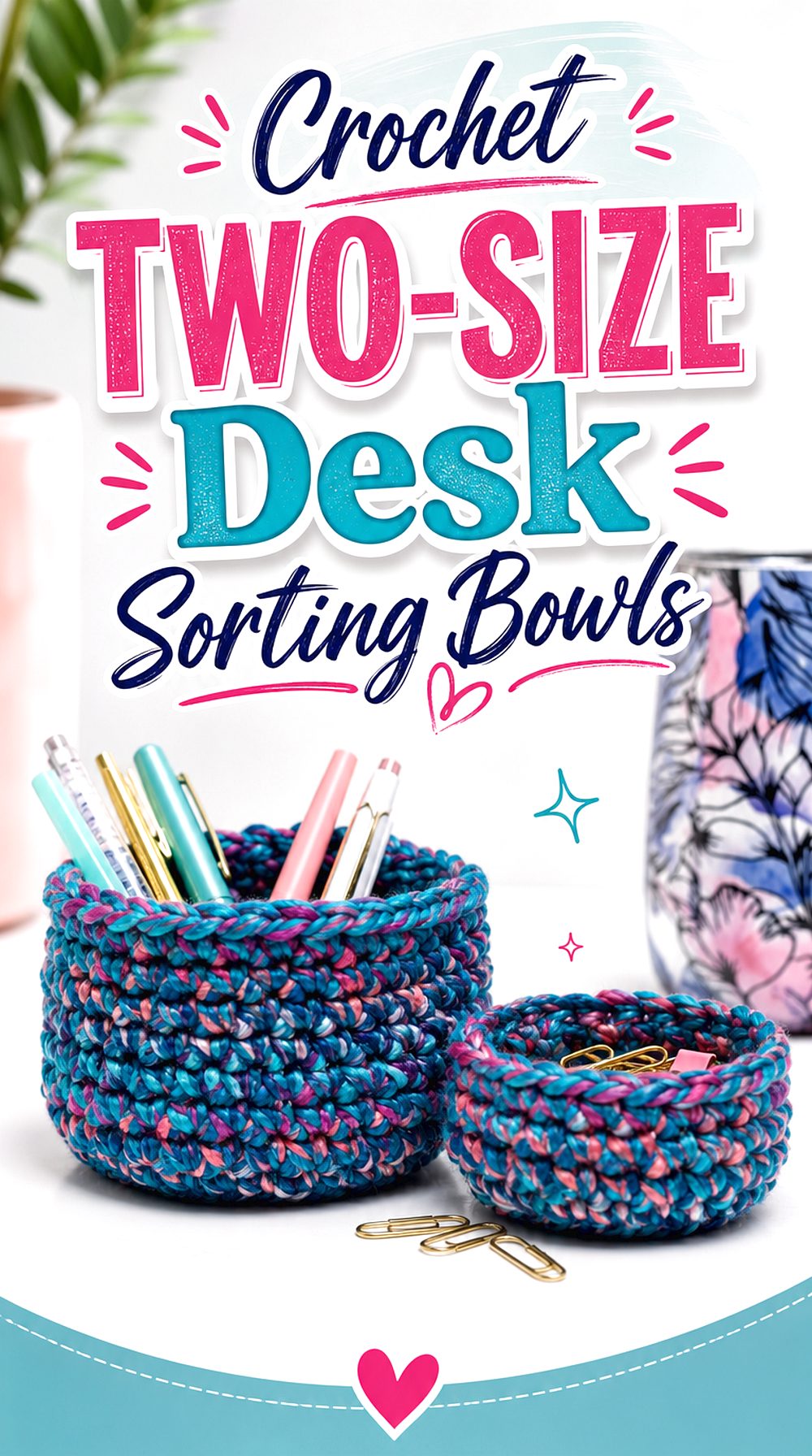
What Stands Out: The linked design provides two round storage bowls in different sizes. Super-bulky yarn and close single crochet create thick fabric, while a back-loop round marks the change between the flat base and upright sides.
Practical Point: As Crochet puzzle sorting bowls, the pair supports a simple two-stage system: one container for edge pieces and one for pieces needing a second look. The variegated sample adds colour, but a solid light interior may make printed details easier to scan.
Good to Know: The tutorial stresses using a hook that produces firm fabric. That matters because a collapsing rim can spill or cover pieces. These bowls are compact rather than tray-like, so they suit smaller sorting groups better than hundreds of pieces at once.
3. Crochet Graduated Little Puzzle Bowls
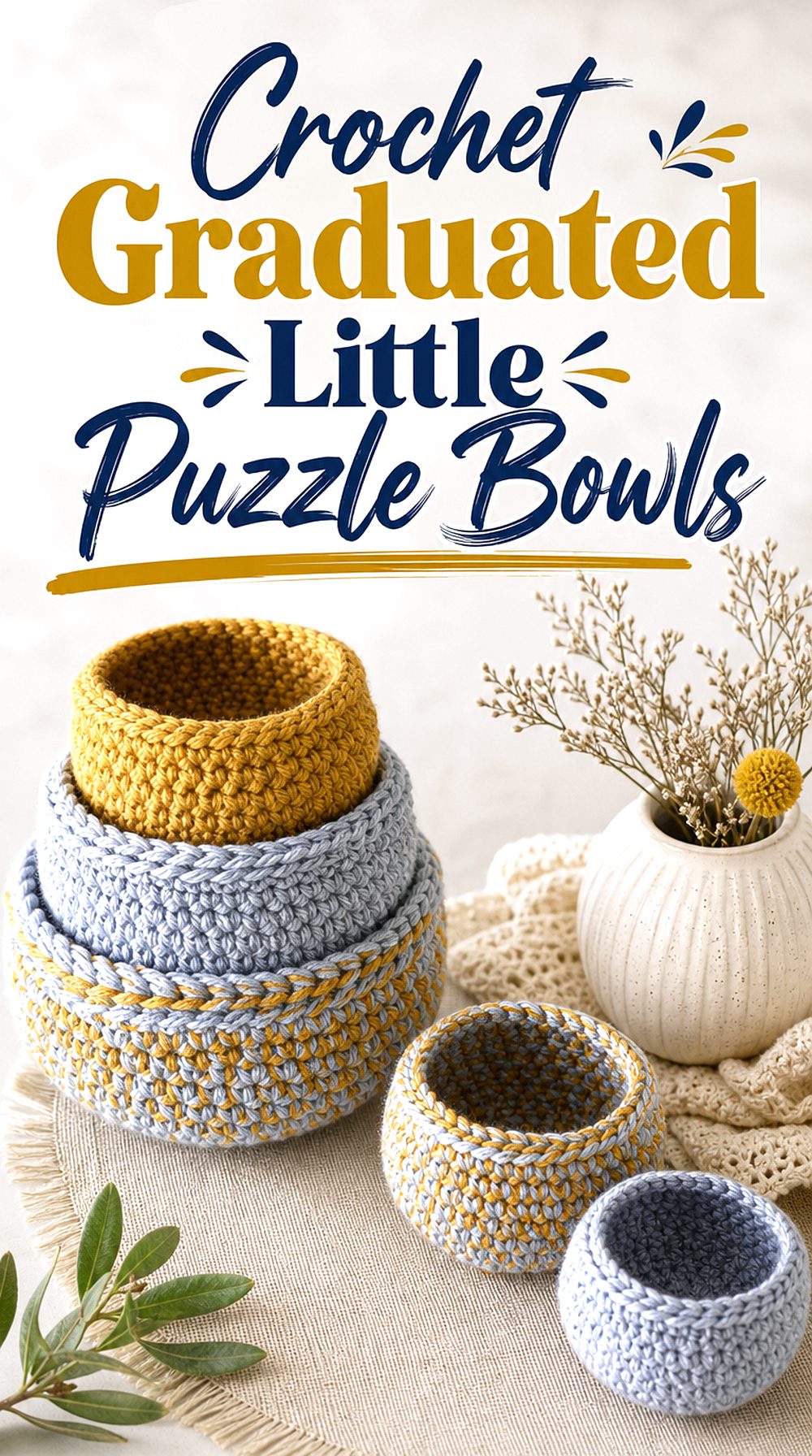
Design Details: Three bowls use the same basic Crochet design, with one, two, or three yarn strands changing the finished scale. Round sides rise from a circular base, and a back-loop slip-stitch finish creates a neat, slightly firmer rim.
Why It Works: The sizes can separate tiny colour accents, repeated textures, and broad background areas. Because the shapes match, the set looks organised even when every bowl holds a different category.
Before You Choose: The narrowing rim helps contain pieces, but it reduces the opening slightly. Readers who like to spread pieces flat may find the smallest version too compact. Use clearly different colours or yarn blends so each sorting category remains recognisable at a glance.
4. Crochet Colour Striped Stash Sorting Bowl
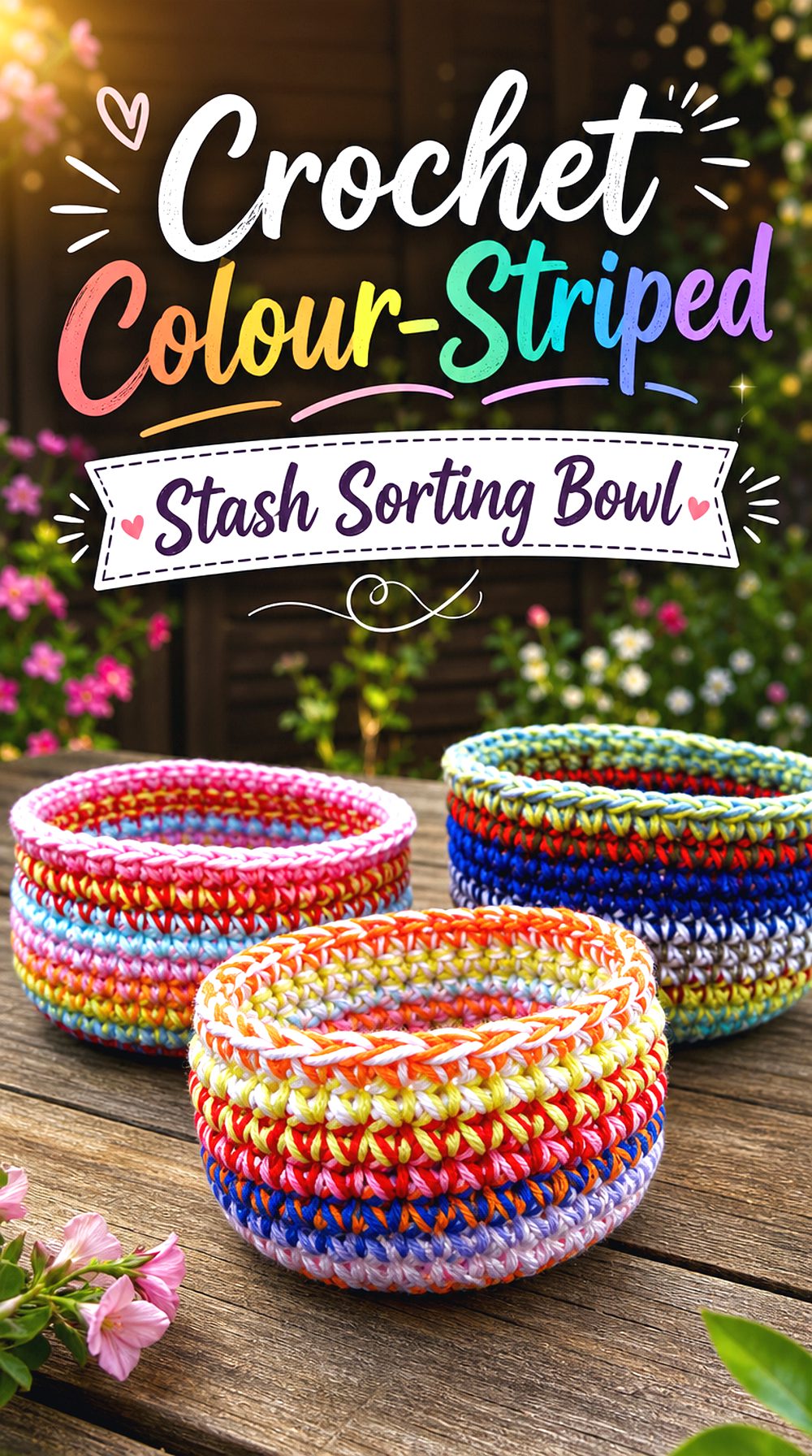
What Stands Out: This Crochet bowl is worked in a continuous spiral with two strands held together. The tutorial shows a rounded, tightly stitched container with colourful horizontal changes and includes a main size plus smaller variations.
Best Use: A striped version can become a sorting key: one bowl for warm colours, another for cool colours, and a third for borders or lettering. The soft round outline also sits neatly beside a puzzle mat.
Care Note: The source emphasises cotton or similarly firm yarn and a tight hook choice because stretchy fabric may not hold the bowl shape. That structure matters when lifting sorted pieces. Multi-colour scraps add interest, but avoid a very busy interior when the puzzle contains tiny, low-contrast details.
5. Crochet Four Size Mini Sorting Bowl Set
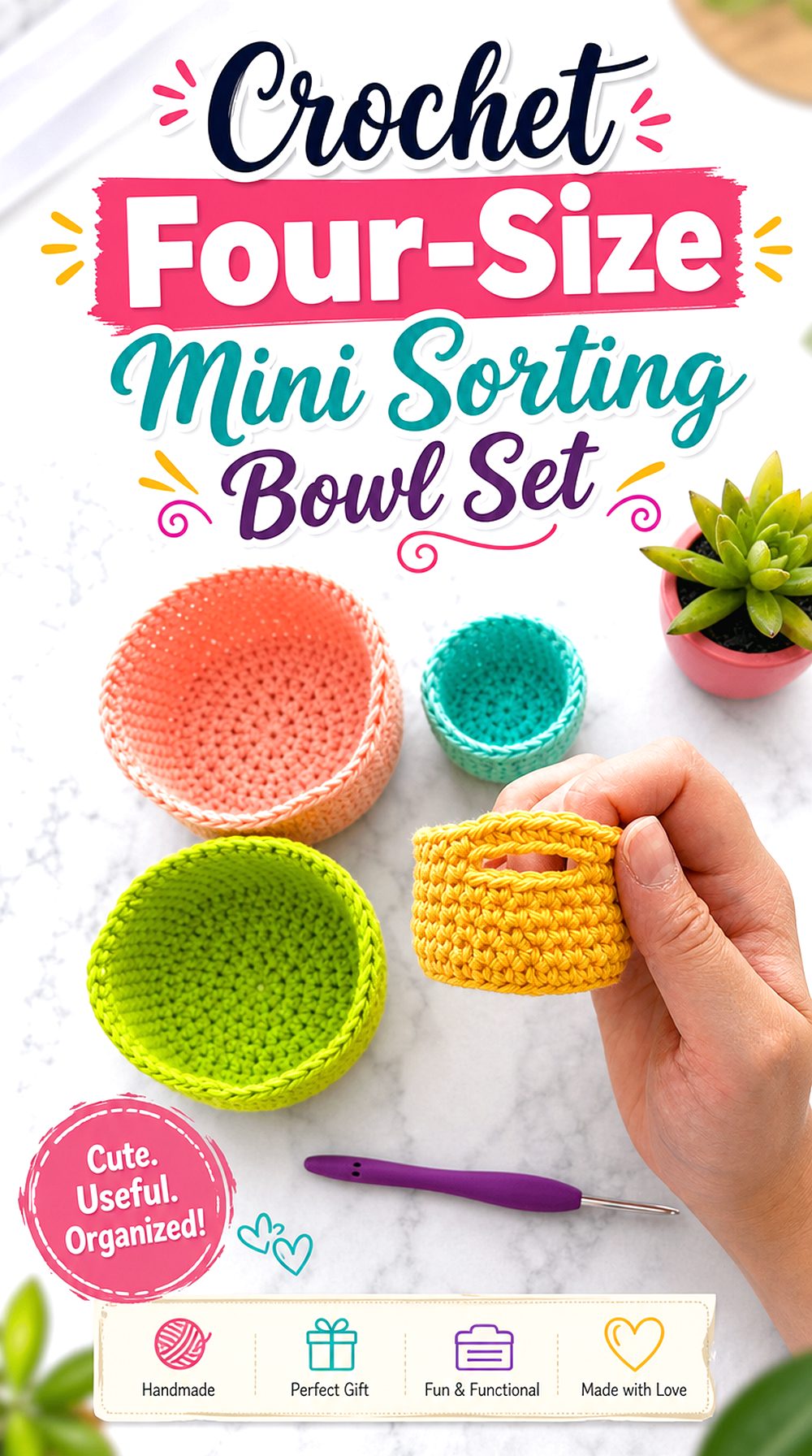
Construction Focus: The tutorial includes four round mini baskets that nest together. Single crochet forms the body, a back-loop round defines the base, and some sizes include integrated handle openings near the rim.
Everyday Use: This Crochet set suits puzzlers who sort in several passes. Use the widest basket for edges, then divide remaining pieces by colour, pattern, or object. Handles make selected groups easier to move away from the board.
Practical Point: Small tabs can press into or catch at handle openings, so reserve handled baskets for larger pieces and move them slowly. When empty, the set nests to save space. When pieces remain inside, keep the bowls separate and label each group before clearing the table.
6. Crochet Desktop Stacker Sorting Bowls
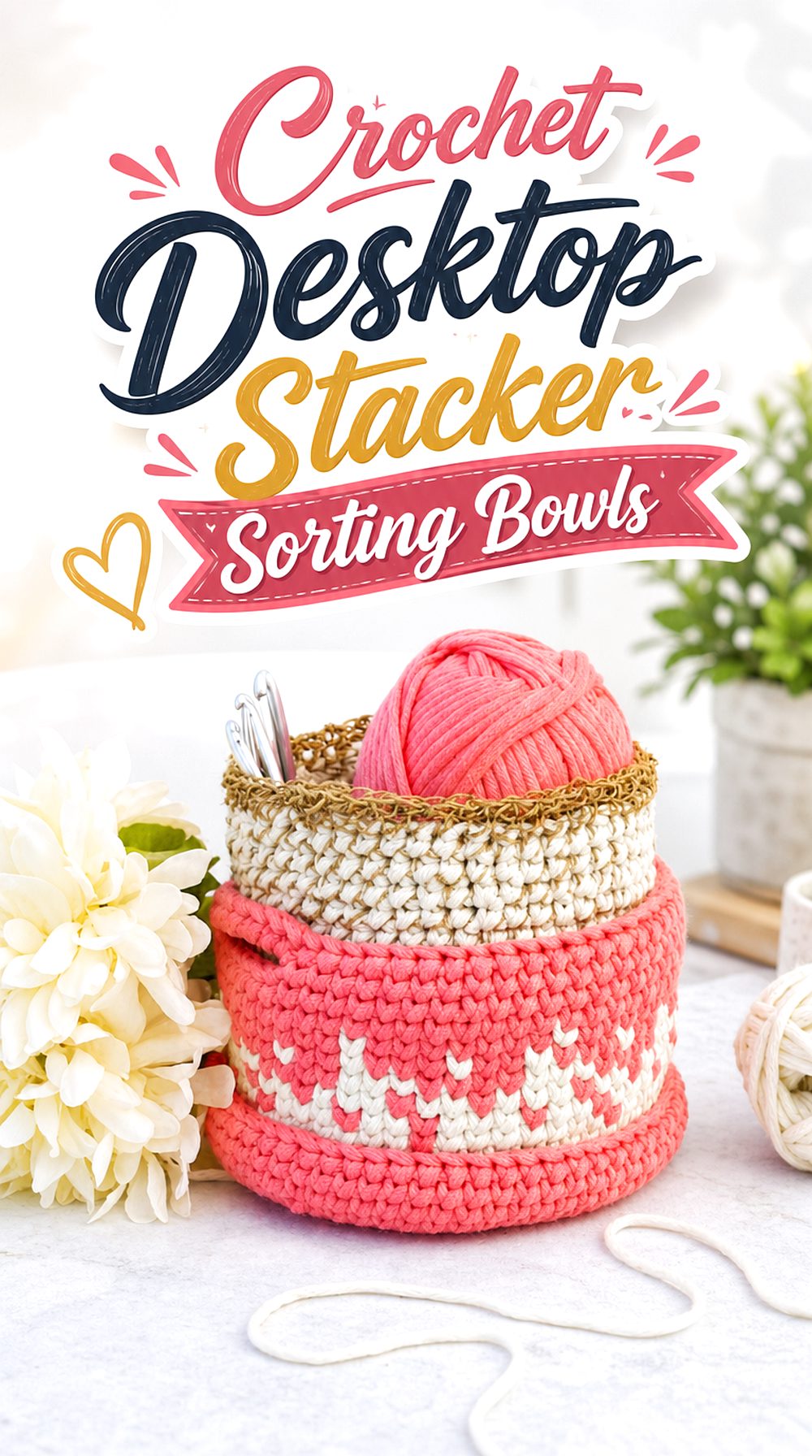
Design Details: These Crochet desktop baskets combine three proportions: a wide shallow container and two progressively taller pieces. They fit together as one stacked unit or separate into individual holders, and the fabric has a close, knit-like waistcoat texture.
Why It Works: The shallow basket is the strongest puzzle sorter because pieces remain easy to see. Taller baskets can hold completed colour groups, spare bags, or tools such as a puzzle scoop. Two colours also make the containers easier to identify.
Good to Know: The mixed heights offer flexibility, but the deepest basket may hide pieces at the bottom. Assign it to one clearly defined group rather than a mixed selection. The nesting format saves desk space only after the contents have been removed.
7. Crochet Reinforced Square Puzzle Bowl
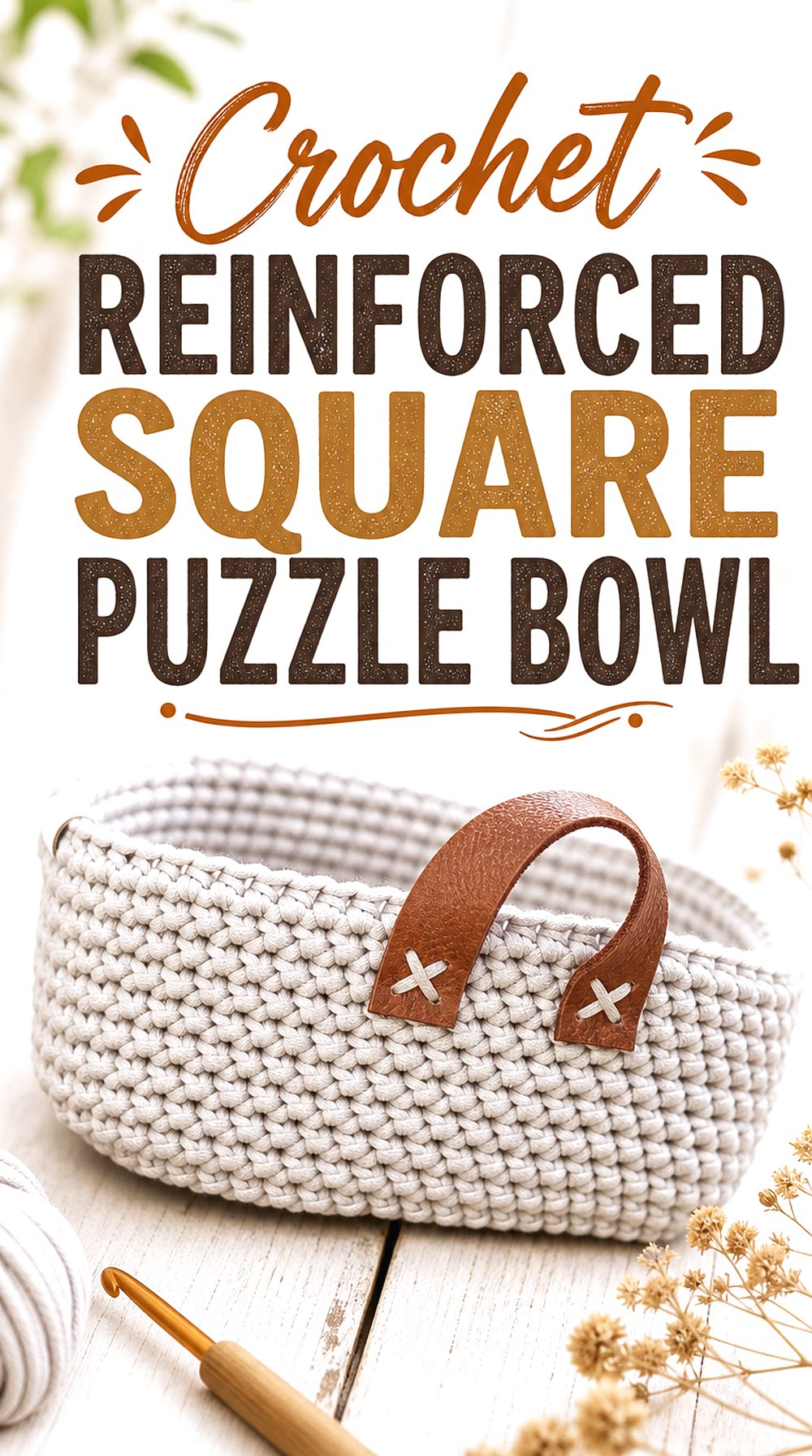
What Stands Out: This square Crochet basket set uses herringbone half double crochet for a subtle slanted texture. Folded sides create a double layer, and heavy-duty plastic canvas can reinforce the walls and square base.
Best Use: Straight edges and corners suit puzzle sorting because border pieces can line one side while corner pieces remain isolated. The smaller basket is low enough to browse comfortably, and the tutorial explains how to adjust the square footprint.
Before You Choose: Reinforcement improves shape but adds another construction stage and affects cleaning. A removable or lightly secured insert is more practical than permanently trapping dust or loose fibres. Choose a plain interior colour so piece outlines remain clear against the structured background.
8. Crochet Oval Handled Puzzle Sorting Bowl
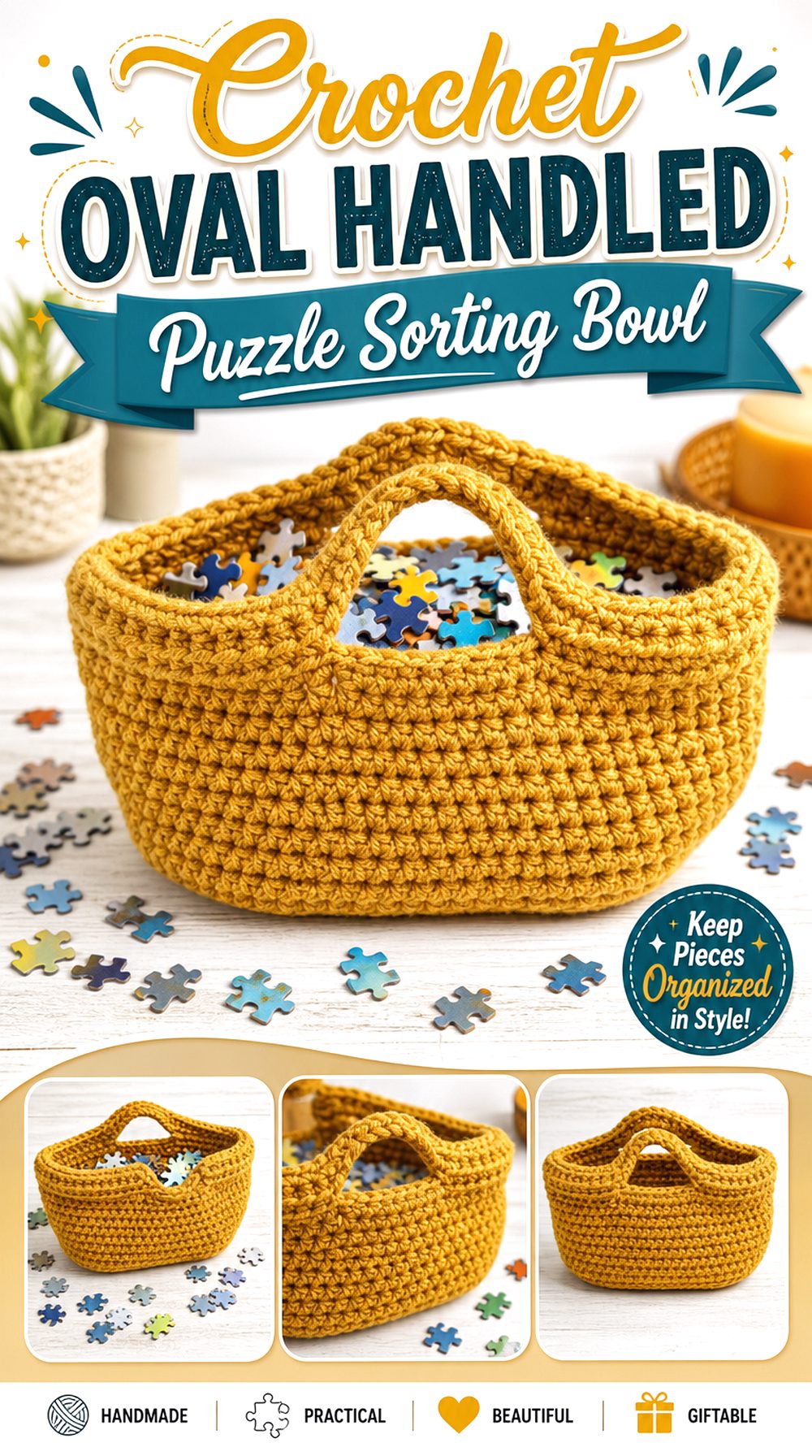
Fit and Finish: The linked Crochet basket has an oval base, upright sides, and two handle openings. It is worked with two strands at firm tension, while a back-post round creates a ridge where the base turns into the body.
Best Use: An oval sorting bowl fits beside a rectangular puzzle board and offers more side-to-side space than a small round dish. Handles help when moving a complete colour group to a shelf. The broad shape can also hold long border runs without forcing them into a tight pile.
Practical Point: This is a deeper caddy-style basket, so pieces may overlap more than in a shallow tray. Use it for larger categories or completed groups rather than fine visual searching. Contrasting rim yarn can identify its purpose without making the interior busy.
9. Crochet Waistcoat Stitch Sorting Bowl
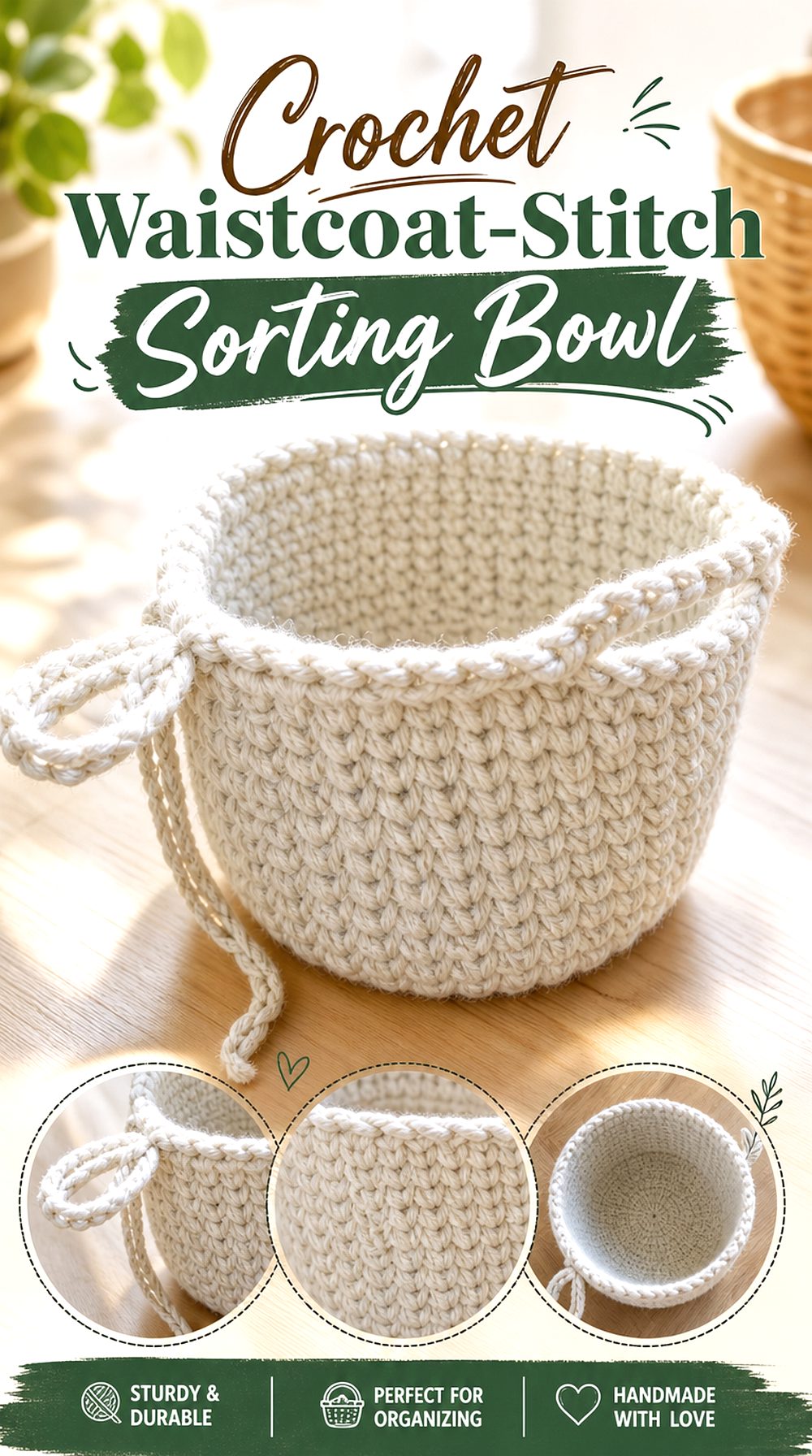
Design Details: Waistcoat stitch gives this round Crochet basket a dense surface of stacked V shapes, while a base ridge and reverse-single-crochet edging sharpen the outline. The tutorial shows versions with crocheted handles, added handles, or no handles.
Why It Works: The close fabric suits a sorting bowl that needs to stay open when partly filled. A handle-free version keeps the rim uninterrupted, making pieces easier to slide in and out. The textured exterior also adds grip when carrying it.
Before You Choose: The original basket is taller than a typical sorting tray, so it works better for holding a completed category than spreading every piece flat. Added leather or rope handles complicate cleaning; for puzzle use, the plain rim is the least obstructive choice.
10. Crochet Rope Core Puzzle Sorting Bowl
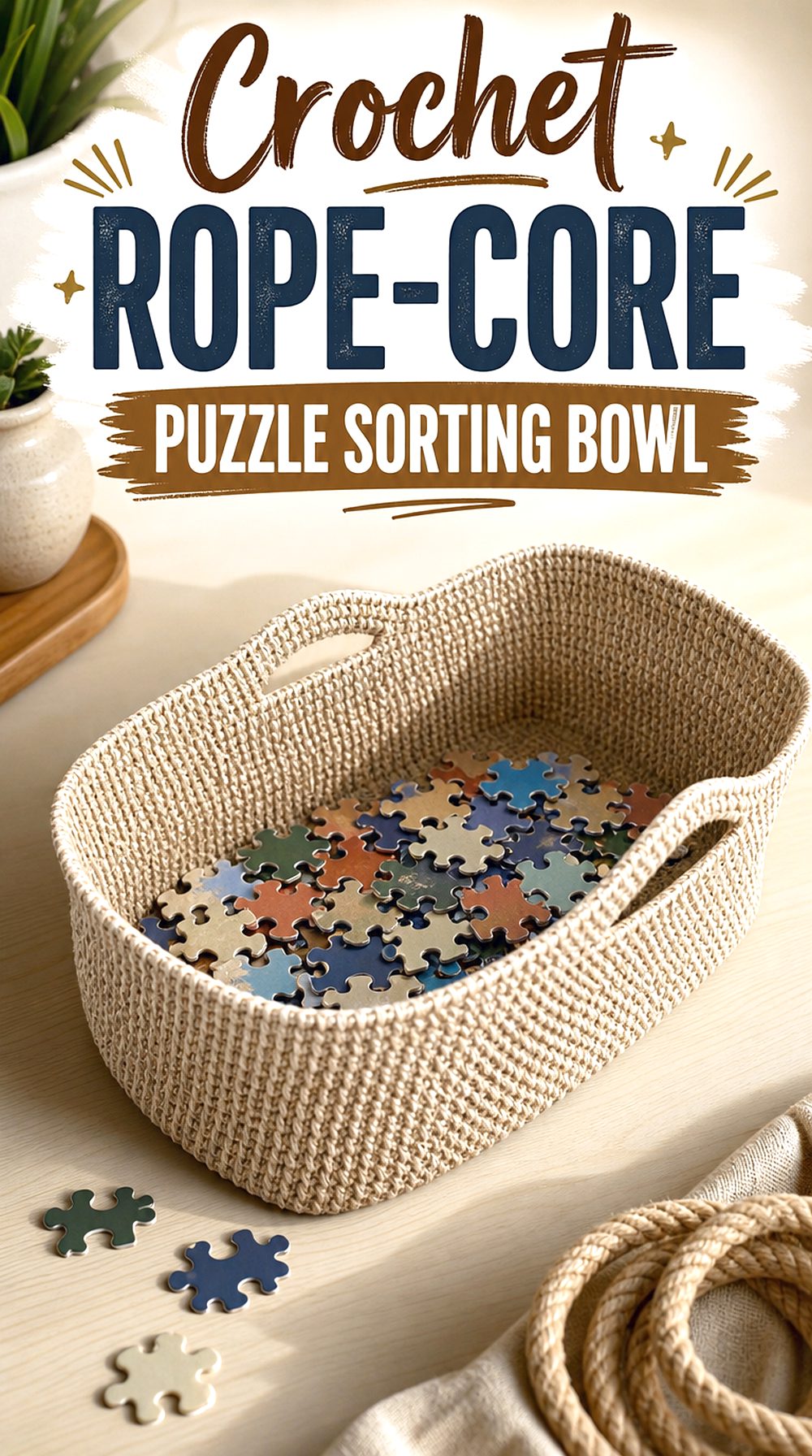
Construction Focus: This Crochet basket is made by working stitches over rope, creating a reinforced base and walls. The tutorial starts with a chain for a customisable elongated base, adds corner increases, and then turns upward for the sides. Handles are optional.
Best Use: The long footprint suits edge pieces, lettering, or repeated architectural lines. Rope reinforcement helps the container keep its shape while moving, and the size can be planned around a narrow table edge or puzzle-board shelf.
Good to Know: Crocheting tightly over rope can be physically demanding, and rope flexibility affects how sharply corners form. Keep the sides fairly low for easier piece visibility. A smooth, light-coloured inner yarn will make small tabs and dark printed details easier to spot.
Useful Crochet Notes
Choose a Calm Interior Colour
Puzzle pieces are easier to inspect against a quiet background. Cream, pale grey, soft blue, or another low-contrast solid can reveal tabs and printed edges more clearly than busy stripes. Place colour changes on the outside or rim when possible, especially for puzzles with dark scenes, tiny lettering, or many similar textures.
Check the Bowl Before Sorting
Set the empty Crochet bowl on the intended table and press lightly around the rim. If the sides fold inward or the base rocks, reshape it before adding pieces. A firm insert, tighter blocking, or a smaller sorting load may help. Avoid overfilling, because stacked pieces quickly hide the details the bowl is meant to organise.
Store Piece Groups Without Mixing
Nesting bowls save space only when they are empty. Before ending a puzzle session, cover each filled bowl, place it inside a larger rigid box, or transfer its contents to a labelled bag. Do not stack filled Crochet bowls directly, because the upper bowl can press into the pieces below and mix carefully separated categories.
Conclusion
Choose a low, wide bowl when visibility matters most, a reinforced square or rope-core design when structure is the priority, or a nesting set when storage space is limited. Small two-bowl projects suit occasional puzzlers, while multi-size sets support detailed colour sorting. The most practical choice is the one that stays open, fits beside the board, and keeps each piece group easy to recognise.
FAQs
Are Crochet bowls suitable for sorting large puzzles?
They can help, but one bowl rarely provides enough visible area for a large puzzle. Use several shallow bowls and assign each a clear category. Deep containers are better for completed groups than active searching. For very large piece counts, combine Crochet bowls with flat trays or labelled bags.
What yarn gives a Crochet sorting bowl better structure?
Firm cotton, tightly worked bulky yarn, doubled strands, or yarn crocheted over cord or rope can create a more stable bowl. The exact result depends on fibre, hook size, and tension. Make a small base test first; if it bends easily, the finished sides may also collapse.
How tall should a puzzle sorting bowl be?
Low sides usually make pieces easier to see and reach. A rim high enough to stop pieces sliding out is useful, but very tall walls create shadows and encourage stacking. Choose deeper Crochet baskets for transporting completed groups and shallower bowls for active colour, shape, or border sorting.
Can I add a lining to a Crochet puzzle bowl?
A smooth fabric lining can stop small tabs from catching in open stitches and may make loose fibres easier to manage. Keep the lining fitted closely to the base and sides so it does not bunch over pieces. For reinforced baskets, make sure any insert remains removable for cleaning.
How should Crochet sorting bowls be cleaned?
Follow the care guidance for the yarn and any added cord, rope, leather, or plastic canvas. Remove puzzle dust with gentle shaking or a soft brush between sessions. Avoid soaking reinforced bowls unless every material is suitable for it, and reshape the container fully before using it again.